


Lingvano: Sign Language - ASL
4.86.84K Reviews
App Specs
- Version
- 5.2.6
- Updated On
- License
- Free
- Downloads
- 1,000,000+
- Developer
- Lingvano
- Categories
- Education
- Platform
- Android, iOS
Screenshots
 Analysis by AppCompare
I see Lingvano: Sign Language - ASL as a useful starting point for learning to communicate with your hands, especially if you need a clear routine rather than a pile of isolated signs. It makes practice feel approachable, but an app can only take you so far: ASL is a living language, and real conversations with people are an important part of learning it well.
A practical starting point, not a shortcut
Lingvano is an education app from developer Lingvano, focused on American Sign Language. Its short, guided lessons suit people who want to fit practice into ordinary days instead of setting aside a long study session. The app is free to download, rated for Everyone, and has a 4.8 average from around 69,000 ratings. That strong reception is encouraging, though it cannot tell you whether the lesson style will suit your own pace.
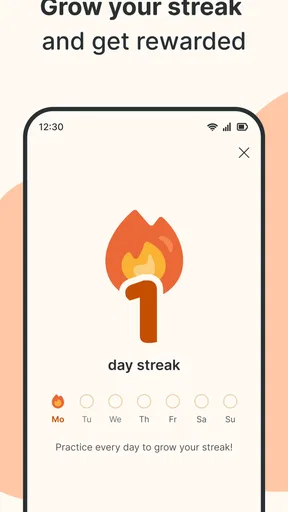
The main appeal is structure. Rather than asking you to decide what to learn next, lessons give you a manageable place to begin and a reason to return. That can make a difference for a beginner who is interested in ASL but feels unsure how to move from recognizing a few signs to building useful phrases. I would treat the daily-practice idea as a realistic habit, not a promise of fluency after a fixed number of minutes.
How I would make the lessons stick
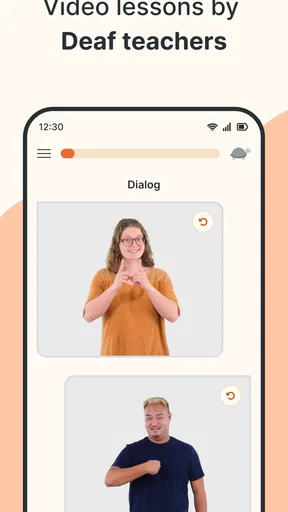
Video-based instruction is especially valuable for a visual language. I would watch a sign more than once, paying attention to the handshape and movement instead of trying to memorize only its English meaning. When a lesson introduces related signs, I’d review them together: noticing how a small change in hand position or motion affects meaning is more useful than learning each item as a disconnected flashcard.
Quizzes can help reveal what you recognize quickly, but recognition is not the same as being able to produce a sign clearly. A practical routine is to pause after a new item, look away from the screen, and try it from memory before checking the model again. That extra retrieval step takes little time and gives you a better sense of what has actually stuck.
For an everyday example, imagine wanting to greet a Deaf neighbor or ask a simple question at a community event. A lesson can help you prepare a few useful expressions and feel less awkward about starting. I would still keep the first exchange simple, be ready to clarify, and avoid treating memorized phrases as a substitute for listening to the other person’s needs and preferences.
Where an app helps—and where people matter
Compared with a general-purpose language app, Lingvano’s ASL focus makes it a more direct choice for someone specifically interested in signing. Compared with a class, it is easier to fit around an unpredictable schedule and can make early practice feel less intimidating. The trade-off is that self-study does not give you the same natural back-and-forth, varied signing styles, or personal correction you can get from learning with other people.
Worth Reading Before You Choose

EA SPORTS FC Mobile 26 Is a Bigger Football Game, but It Takes Time

Flipboard Shows What News Apps Must Do Beyond the Feed

Switching to Android Auto Means Rethinking Your Driving Routine

Google Calendar Makes a Crowded Week Easier to Manage

Ludo King Makes the Most of the Minutes Between Plans

Baby Panda World Brings Quick Play to Modern Phones, but Its Game Library Feels Busy
That distinction matters because ASL is not English translated word by word into hand movements. Facial expression, context, and how signs relate to one another all contribute to meaning. Lessons can establish a foundation, but I would pair them with opportunities to learn from Deaf signers and practice respectfully in real interactions. If your goal is to communicate regularly with a particular person, ask what learning resources and communication preferences they recommend rather than assuming an app alone will cover what you need.
Getting to Know Lingvano
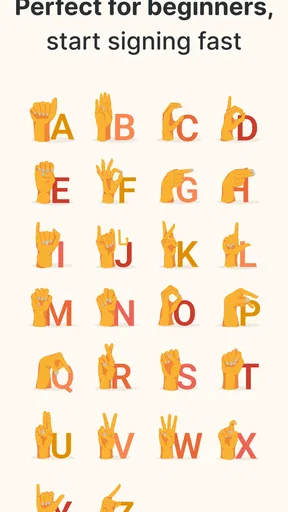
First off, Lingvano is all about making American Sign Language (ASL) accessible and fun. The interface is super friendly and intuitive, which is perfect for both beginners and those who are already familiar with ASL. It’s like having a personal tutor in your pocket, ready to guide you through each step.
Interactive Lessons
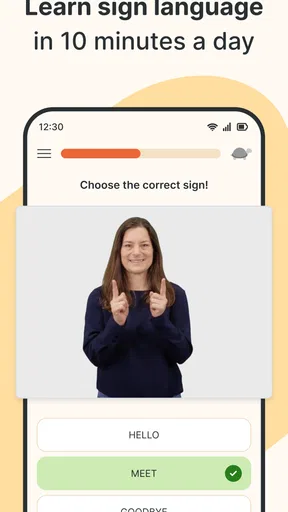
One of the coolest things about this app is its interactive lessons. They’re designed to be engaging, with a mix of videos and quizzes. You’re not just passively watching; you’re actively participating. The lessons are bite-sized, so you can easily fit them into your day, whether you’re on a coffee break or waiting in line.
The app uses real-life scenarios to teach you, which I found particularly helpful. It’s not just about learning random signs but actually understanding how they fit into everyday conversation. This approach really boosts your confidence to start signing in real-life situations.
Practice Makes Perfect
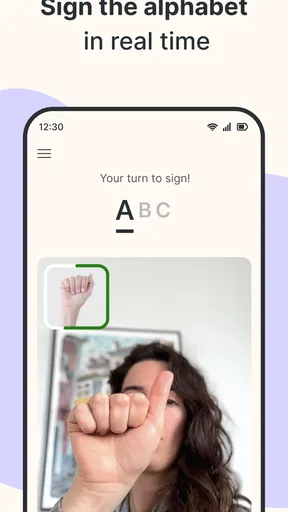
Now, let’s talk practice. Lingvano offers a space for you to practice what you’ve learned. There’s a feature where you can record yourself signing and compare it with the instructors. This is such a neat way to refine your skills and ensure you’re getting the signs just right. Plus, the feedback is immediate, which is super helpful for quick corrections.
I’d use that comparison as a visual checkpoint, not as a guarantee that every attempt is correct. Check your framing and lighting before recording so your hands remain visible, then compare one detail at a time rather than judging your whole performance at once. If something feels awkward, repeat the sign slowly and revisit the lesson model. A phone camera can help you notice movement, but it cannot replace a fluent person responding to you in context.
Vocabulary and Phrasebook
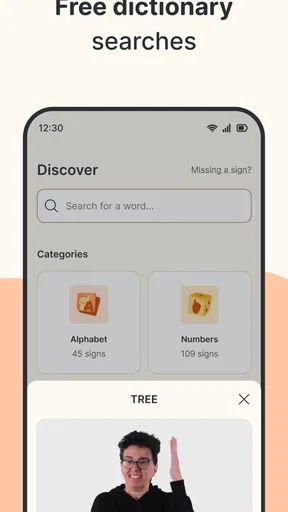
Another feature I love is the Vocabulary and Phrasebook section. It’s like your go-to dictionary for ASL. The search function is fast and efficient, so you can quickly find the signs you need. This is a lifesaver when you’re trying to remember a specific sign or phrase on the fly.
I’d use the phrasebook as a review tool before a situation, rather than relying on a last-second lookup in the middle of a conversation. Save a few expressions in your memory by practicing them in short sets, then try to recall them without looking. For an appointment or a planned introduction, that preparation can reduce the urge to stare at a screen when your attention should be on the person in front of you.
Community and Support
One thing that really stands out about Lingvano is the community feel. The app encourages you to join in discussions and connect with other learners. It’s motivating to be part of a community where everyone is learning and growing together. Plus, the support from the Lingvano team is top-notch. They’re always updating the app with new content and features, keeping it fresh and exciting.
For me, the most useful role for a learner community is accountability and encouragement: it can make returning to practice feel less solitary. I would still be discerning about what I treat as language guidance. When a question concerns nuance, regional variation, or respectful communication, learning from Deaf signers and qualified ASL teachers is a stronger complement than relying on a quick peer answer alone.
Who is likely to get the most from it?
I’d recommend Lingvano to a curious beginner, someone who wants to support communication with a Deaf friend or family member, or a learner who benefits from visual demonstrations and a guided sequence. It can also be a convenient refresher for someone who has studied ASL before but wants to revisit basic vocabulary. The app’s audience is broad, but your reason for learning should shape how you use it: a personal connection calls for practice with that person’s needs in mind, while professional communication may require more formal instruction and ongoing feedback.
It is a weaker fit if you expect an app to make you conversation-ready without practice with people, or if you need advanced fluency for work, interpreting, or complex discussions. In those cases, I’d look for an ASL course with a teacher, a local learning opportunity, or another setting where you can receive nuanced correction. Lingvano can still help you prepare, but it should not be the whole plan.
Cost, access, and a sensible trial
Lingvano is free to start, with in-app purchases ranging from $17.99 to $134.99 per item. Since the available purchase can affect whether the app fits your budget, I’d check the current options in the app before committing and decide what kind of practice you will realistically maintain. Its version is 5.1.0, and it requires Android 8.0 or later. It has more than a million installs, which suggests many people have chosen to try it, but I’d base a decision on the learning approach and purchase details that suit you.
If you are unsure, begin by testing whether the lesson format helps you remember signs after you close the app. A useful personal check is to learn a small group of signs, leave them for a day, and see what you can recall without prompts. That tells you more than simply enjoying the first session. It also helps you decide whether a self-paced app is enough for your goal or whether you would benefit from a class or regular conversation practice.
The Verdict
So, is Lingvano worth it? In my opinion, absolutely. It’s more than just an app; it’s a gateway to a new way of communicating. Whether you’re learning ASL for personal reasons, to connect with a loved one, or for professional development, Lingvano provides all the tools you need to succeed.
Overall, Lingvano: Sign Language - ASL is a fantastic resource for anyone looking to learn ASL. It’s engaging, comprehensive, and community-driven. So why not give it a try? You might just find yourself signing up for more than you anticipated!
Pros
- User-friendly interface for beginners.
- Interactive lessons with real-life scenarios.
- Offline mode for learning on the go.
- Progress tracking to monitor improvement.
- Engaging quizzes to reinforce learning.
Cons
- Limited free content without subscription.
- Only American Sign Language available.
- No voice recognition feature included.
- Requires internet for some features.
- Limited advanced content for experts.
FAQs for Lingvano: Sign Language - ASL
What features does Lingvano: Sign Language - ASL offer?
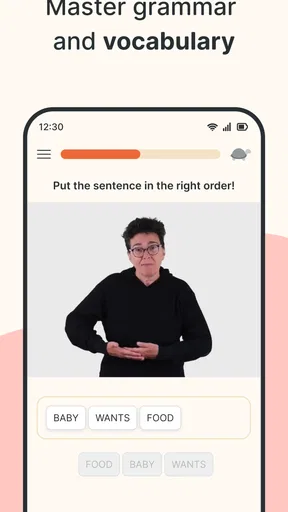
Lingvano provides interactive lessons designed to help users learn American Sign Language (ASL) effectively. The app includes video tutorials, quizzes, and practice exercises to reinforce learning. It also offers a dictionary feature for quick reference and a hands-on approach through real-life scenarios to enhance practical understanding.
Is Lingvano suitable for beginners in ASL?
Yes, Lingvano is ideal for beginners. The app starts with basic signs and gradually progresses to more complex phrases and sentences. It is designed to be user-friendly, with a step-by-step approach that caters to those who are new to ASL, ensuring a smooth learning curve.
Does Lingvano require an internet connection to use?
While Lingvano's main features and lessons are accessible offline once downloaded, some elements, such as updates or new content, may require an internet connection. It's advisable to have an internet connection initially to download all necessary materials for offline use.
Are there any in-app purchases or subscription fees?
Lingvano offers both free and premium content. While the basic version provides access to essential features, a subscription unlocks additional lessons, advanced exercises, and ad-free usage. Users can choose a monthly or yearly plan, depending on their learning preferences and budget.
How does Lingvano ensure the accuracy of its ASL content?
Lingvano collaborates with experienced ASL instructors and native signers to ensure the accuracy and authenticity of its content. The app regularly updates its material based on user feedback and new developments in ASL to provide the most reliable learning experience possible.


